Not All Sealed Concrete Pavers are Created Equal
Selecting a sealed concrete paver involves more than choosing a color, texture, or finish. Not all sealed pavers use the same process. Some rely on field-applied sealers, while factory-applied systems can also use different methods of surface protection. Understanding the sealing method, number of protective layers, and how those treatments interact with the paver surface can help contractors, landscape professionals, designers, and homeowners make a more informed product selection.
County Materials' Sentinel Sealed Technology™ uses a factory-controlled process that combines a penetrating primer with a protective sealer to create dual-layer surface protection. Rather than relying on a single topical treatment, Sentinel's process incorporates two protective layers designed to enhance stain resistance, surface protection, and long-term appearance.
What Should You Look for in a Sealed Concrete Paver?
Not every sealed paver achieves surface protection in the same way. Some products rely on field-applied sealers, while factory-applied products can use different treatment methods and protective layers. When comparing products, consider how the protection is applied, whether the system uses a single topical treatment or multiple protective layers, and whether additional sealing is required after installation.
Outdoor paving may be exposed to moisture, food and beverage spills, grease and oil, sunlight, seasonal weather, and regular pedestrian or vehicle traffic. Considering these conditions can help identify which surface-performance characteristics matter most.
For contractors, the sealing method can also affect project scheduling. Field-applied sealers introduce an additional step after installation and may require appropriate application and curing conditions. Factory-applied protection can remove that initial step from the installation process.
Not All Factory-Applied Protection is the Same
Factory-applied systems apply protective treatments during the manufacturing process rather than after the pavers are installed. However, not all factory-applied systems use the same protective process. Some rely on a single topical treatment, while Sentinel Sealed Technology™ uses a proprietary multi-step process that combines a penetrating primer with a protective sealer to create two layers of protection.

The Sentinel Sealed process works in three steps:
-
Penetrate: Each paver is treated to allow the protective materials to penetrate the surface capillaries.
-
Bond: A penetrating primer is applied and cured to form a bonded base layer.
-
Protect: A protective sealer is applied and cured to create a durable surface barrier.
Together, these steps create a dual-layer protective system designed to enhance stain resistance, surface protection, and long-term appearance. The process is completed during manufacturing, so Sentinel Sealed pavers arrive pre-sealed without requiring an initial field-applied sealer.

Reduce Post-Installation Steps and Put Outdoor Spaces into Use Sooner
Traditional field-applied sealing adds another phase to a hardscape installation. Contractors must account for labor, scheduling, application conditions, and curing requirements after the pavers have been installed.
With Sentinel Sealed Technology, the initial protective treatment is incorporated into manufacturing. Pavers arrive pre-sealed, eliminating the need for an initial post-installation sealing step.
For contractors, that can help simplify project completion and eliminate a return visit solely for initial sealing. For property owners and homeowners, it means fewer steps between installation and enjoying the finished outdoor space.

Consider Climate, Stains, and Everyday Exposure
Outdoor hardscapes face different conditions depending on location and application. Patios and outdoor kitchens may encounter food, beverages, grease, and everyday spills, while commercial spaces may experience heavier pedestrian traffic and more frequent maintenance. Climate can introduce additional exposure to sunlight, moisture, seasonal temperature changes, freeze-thaw conditions, and winter maintenance practices.
Regional environmental conditions should also factor into product selection. Depending on location, concrete pavers may be exposed to intense sunlight and UV exposure, frequent rain and moisture, seasonal temperature changes, freeze-thaw conditions, or winter maintenance practices. Understanding the conditions a hardscape will encounter helps contractors, designers, and property owners evaluate the surface protection and maintenance characteristics that matter most for the project.
Efflorescence is another consideration with concrete paving. The Concrete Masonry & Hardscapes Association explains that efflorescence is a white haze that can appear on concrete pavers as part of a natural chemical reaction involving moisture and materials within the concrete. CMHA notes that efflorescence does not damage the pavers, although it can affect their appearance.
Sentinel Sealed Technology is designed to enhance resistance to common stains such as mud, dirt, grease, oil, and red wine. Its protective system also incorporates UV protection intended to help maintain paver appearance and color.
Match Surface Protection to the Application
Different applications place different demands on paved surfaces. Consider factors such as exposure to stains, moisture, traffic, and ongoing maintenance when evaluating surface protection for projects such as:
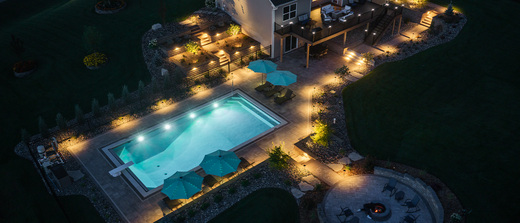
- Pool decks and surrounding areas
- Residential patios and outdoor living spaces
- Outdoor kitchens and entertainment areas
- Pedestrian plazas and gathering spaces
- Commercial and hospitality environments
- Walkways and terraces
- High-visibility landscape installations
See Sentinel Sealed Pavers in Installed Applications
Explore Sentinel Sealed Technology in real-world landscape applications:
-
The Madeline Island Yacht Club: distinctive landscape application
-
Backyard Leisure Residence: residential outdoor living
-
Urban Escapes Case Study: contractor perspective and residential Sentinel application
Choose Surface Protection with the Entire Project in Mind
A sealed paver should be evaluated for more than its appearance on installation day. How protection is applied, the environment in which the paver will be used, anticipated exposure to stains and weather, installation requirements, and ongoing maintenance can all influence product selection.
Factory-applied systems offer an alternative to sealing the surface after installation by incorporating protection during manufacturing. Sentinel Sealed Technology combines a penetrating primer and protective sealer in a factory-controlled process designed to provide enhanced surface protection from the start.
For contractors, landscape professionals, designers, and homeowners, understanding these differences makes it easier to select a concrete paver based on both design goals and long-term project needs.

Explore Sentinel Sealed Concrete Pavers. Compare available styles, applications, and completed projects to determine whether Sentinel Sealed concrete pavers are right for your next outdoor space.