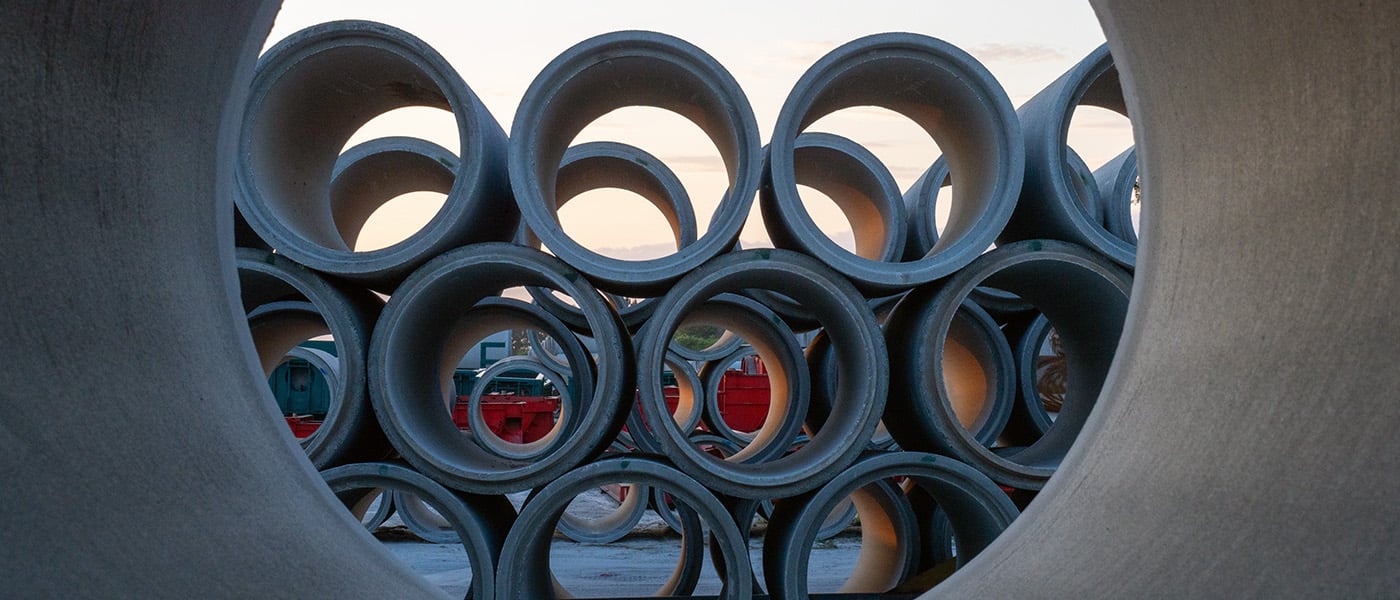
RCP pipe graphic

Reinforced Concrete Pipe

Built to Last. Engineered to Perform for 100 Years.

Your trusted source for facts, industry insights, expert videos and everything you need to know about RCP.

RCP pipe graphic
2026_CMC_Pipe_Plastic_Myths_Campaign_Hero

Get the Facts on Concrete Pipe

Click each fact to explore the research, references, and expert insights behind the claim.

Fact #1
Durability
RCP is built to serve communities for 100+ years.
Reinforced concrete pipe can provide a service life of up to 100 years or more with proper design and installation. Its proven durability and long-term performance help support infrastructure designed to serve communities for generations, reducing the need for frequent replacement and minimizing traffic disruptions, excavation costs, and associated maintenance activities over time. This extended service life helps maximize the value of infrastructure investments throughout decades of operation.
See Details
Fact #2
Sustainability
Concrete pipe has been serving infrastructure since the 1800s.
Reinforced concrete pipe has been used in the United States since the mid-1800s and continues to serve critical drainage infrastructure. Decades of successful installations demonstrate the value of long service life and durable performance. By reducing the need for frequent replacement, concrete pipe can help conserve resources while lowering lifecycle construction impacts, minimizing service interruptions, and supporting predictable infrastructure planning for future generations.
See Details
Fact #3
Resilience
Minor hairline cracks do not impact performance or service life.
Small hairline cracks are an expected characteristic of reinforced concrete pipe and do not necessarily indicate structural failure. When cracks remain within specification limits, concrete and reinforcing steel continue to work together to maintain structural integrity. Industry-standard testing verifies the pipe's strength, while decades of field performance demonstrate that minor cracking does not compromise the durability or service life of properly designed RCP.
See Details
Fact #4
Durability
Concrete and steel work together to deliver structural strength.
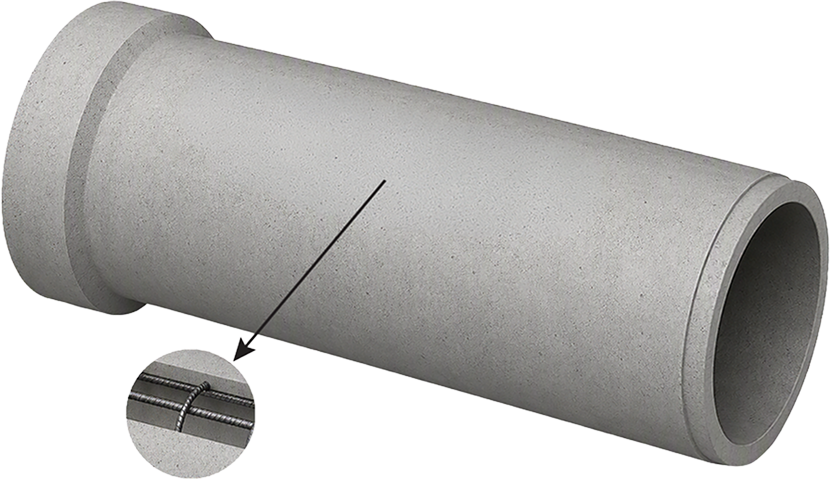
Reinforced concrete pipe combines high-strength concrete and reinforcing steel to resist the compressive and tensile forces encountered throughout its service life. Concrete provides strength in compression, while steel reinforcement provides tensile strength. Working together, these materials create a structurally reinforced pipe designed to carry loads and maintain its shape and performance under demanding underground conditions.
See Details
Fact #5
Resilience
RCP is designed as both a conduit and a structure.
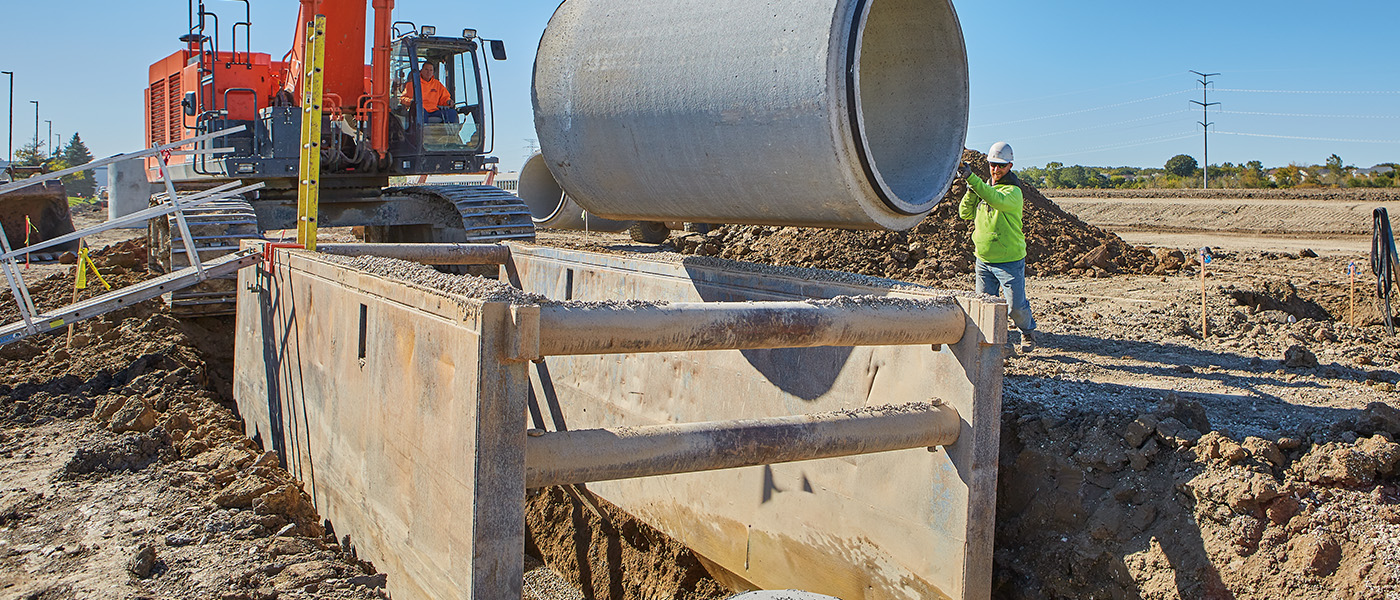
Reinforced concrete pipe is designed as both a conduit and a structure, carrying loads through its own structural design rather than relying on surrounding soil to provide its structural capacity. This inherent strength helps RCP maintain its shape and structural integrity under a range of loading and site conditions, while preserving hydraulic efficiency, reducing the potential for excessive deflection, and supporting consistent performance even where soil conditions vary along the pipeline.
See Details
Fact #6
Resilience
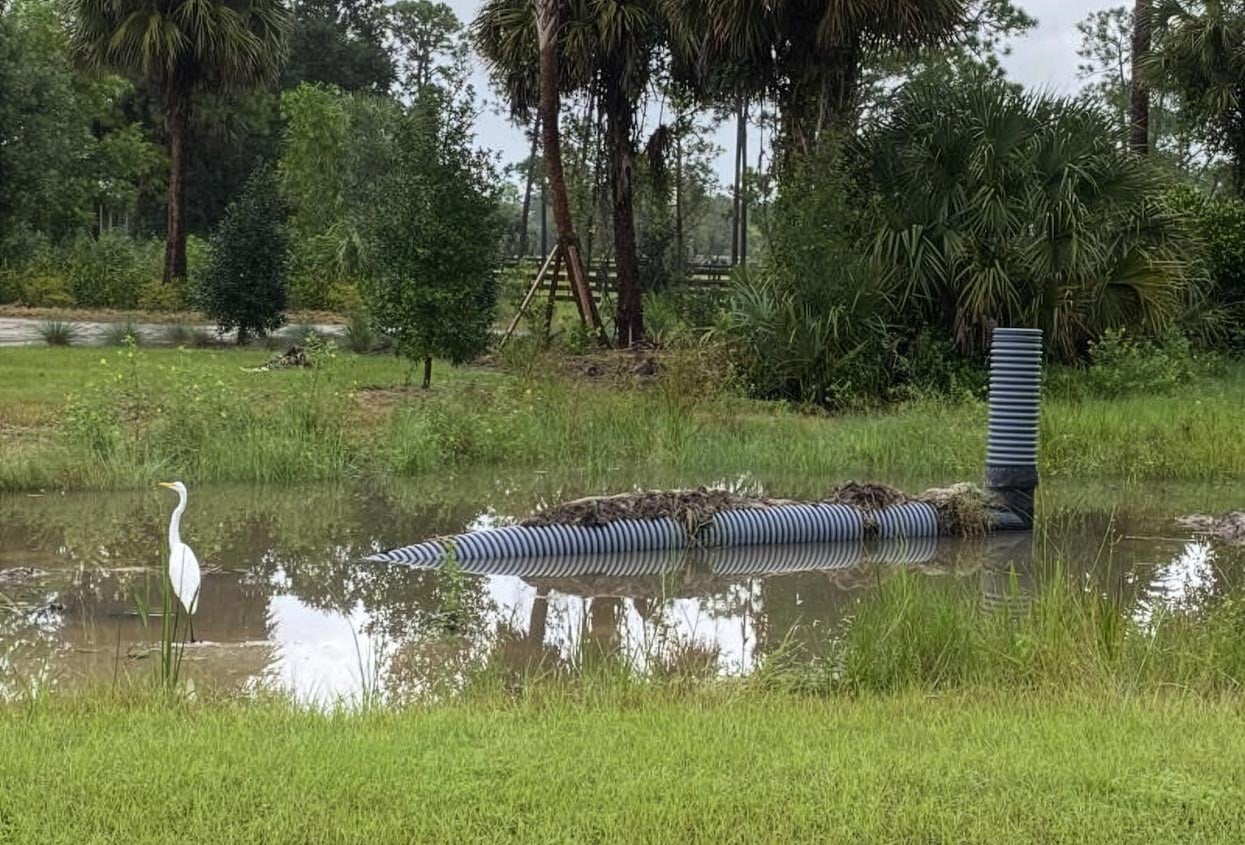
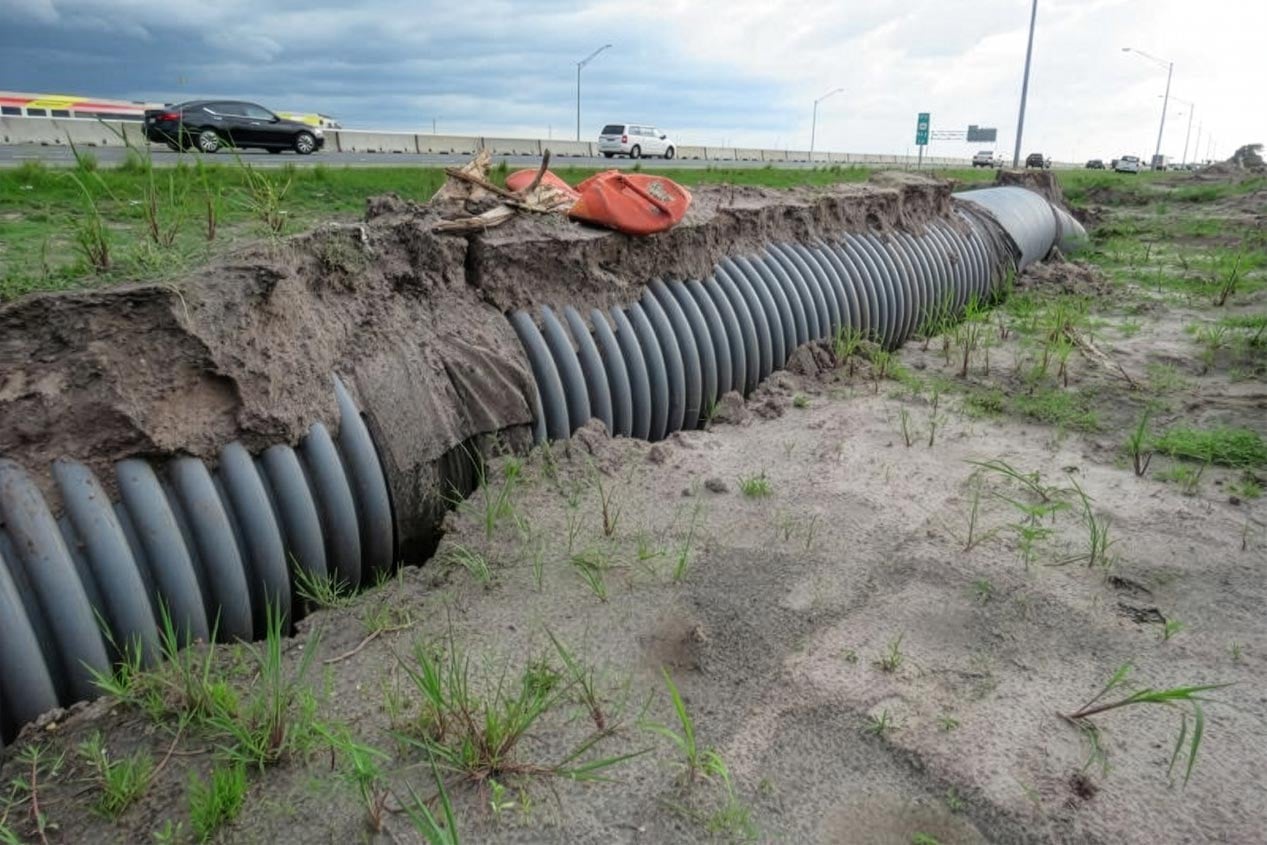
The inherent weight of reinforced concrete pipe helps it resist flotation and movement in demanding conditions.
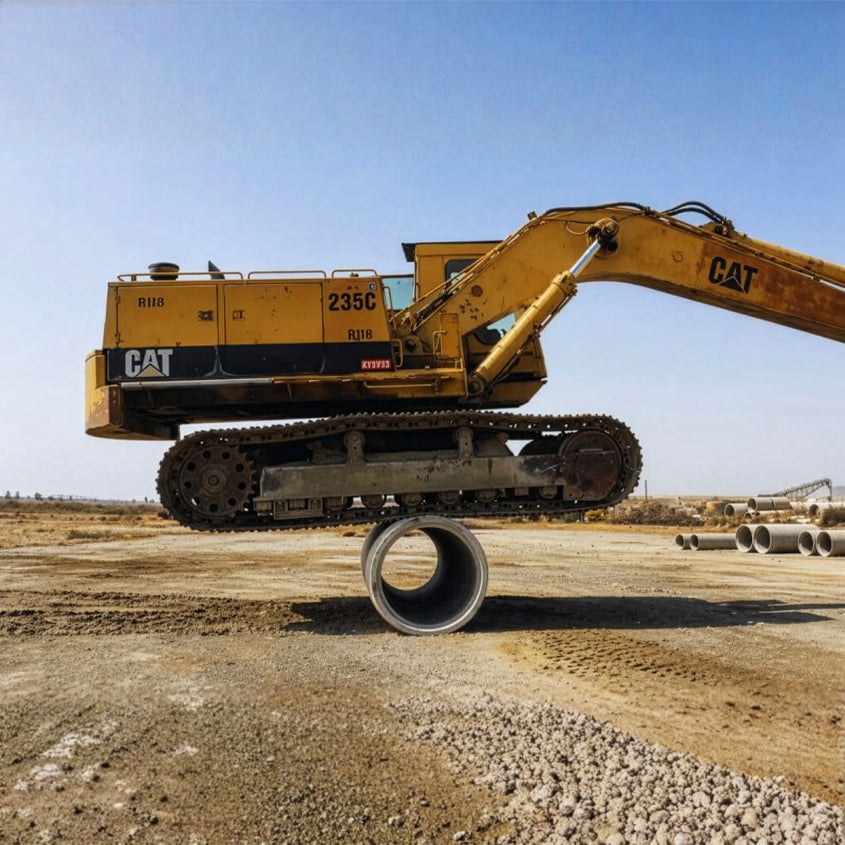
Concrete pipe's inherent weight provides stability underground and helps resist movement during installation and service. Its mass also helps resist flotation in saturated soil and high groundwater conditions. This added stability can help maintain the pipe's position and alignment when water levels rise or surrounding soil conditions change, often reducing the need for supplemental anchoring and supporting reliable drainage during flood events.
See Details
Fact #7
Durability
ASTM standards help ensure consistent performance of reinforced concrete pipe.
Reinforced concrete pipe is manufactured in accordance with ASTM C76, which establishes requirements for materials, manufacturing, testing, and structural performance. These nationally recognized standards help verify consistent quality, strength, and load-carrying capacity. The standard also promotes uniform product specifications, making design, inspection, and acceptance more consistent across projects and jurisdictions.
See Details
Fact #8
Durability
ASTM C76 establishes requirements for consistent quality and performance.
Before installation, reinforced concrete pipe undergoes standardized ASTM testing to verify structural capacity, dimensional accuracy, and manufacturing quality. These rigorous test methods help confirm the pipe performs as designed under anticipated loading conditions. Standardized testing helps identify issues before delivery, reducing the potential for project delays, rework, and unexpected field performance concerns.
See Details
Fact #9
Durability
Structural strength is verified through Three-Edge Bearing testing.
Quality is built into every stage of reinforced concrete pipe manufacturing, from raw material verification through finished product inspection and structural testing. Manufactured in accordance with ASTM and AASHTO standards, each pipe undergoes rigorous quality control, including Three-Edge Bearing testing, to verify strength, durability, and consistency. This process helps deliver uniform product quality from plant to project.
See Details
Fact #10
Durability
Reinforced concrete pipe is engineered to carry structural loads for long-term performance.
Reinforced concrete pipe is designed as both the conduit and the structure, carrying loads through its engineered design rather than relying solely on surrounding soil for structural support. Proper bedding, backfill, and installation practices help the pipe achieve its intended structural performance and service life. This proven approach helps maintain hydraulic capacity while supporting long-term structural performance.
See Details
Fact #11
Durability
Reinforced concrete pipe provides a long service life with reduced maintenance and repair needs.
Reinforced concrete pipe is designed for long-term performance, helping reduce maintenance requirements, replacement frequency, and associated construction disruptions over its service life. Decades of proven field performance demonstrate the value of durable infrastructure built to serve generations. When maintenance is required, reinforced concrete pipe can often be repaired, helping extend asset life while reducing rehabilitation costs and service interruptions.
See Details
Fact #12
Sustainability
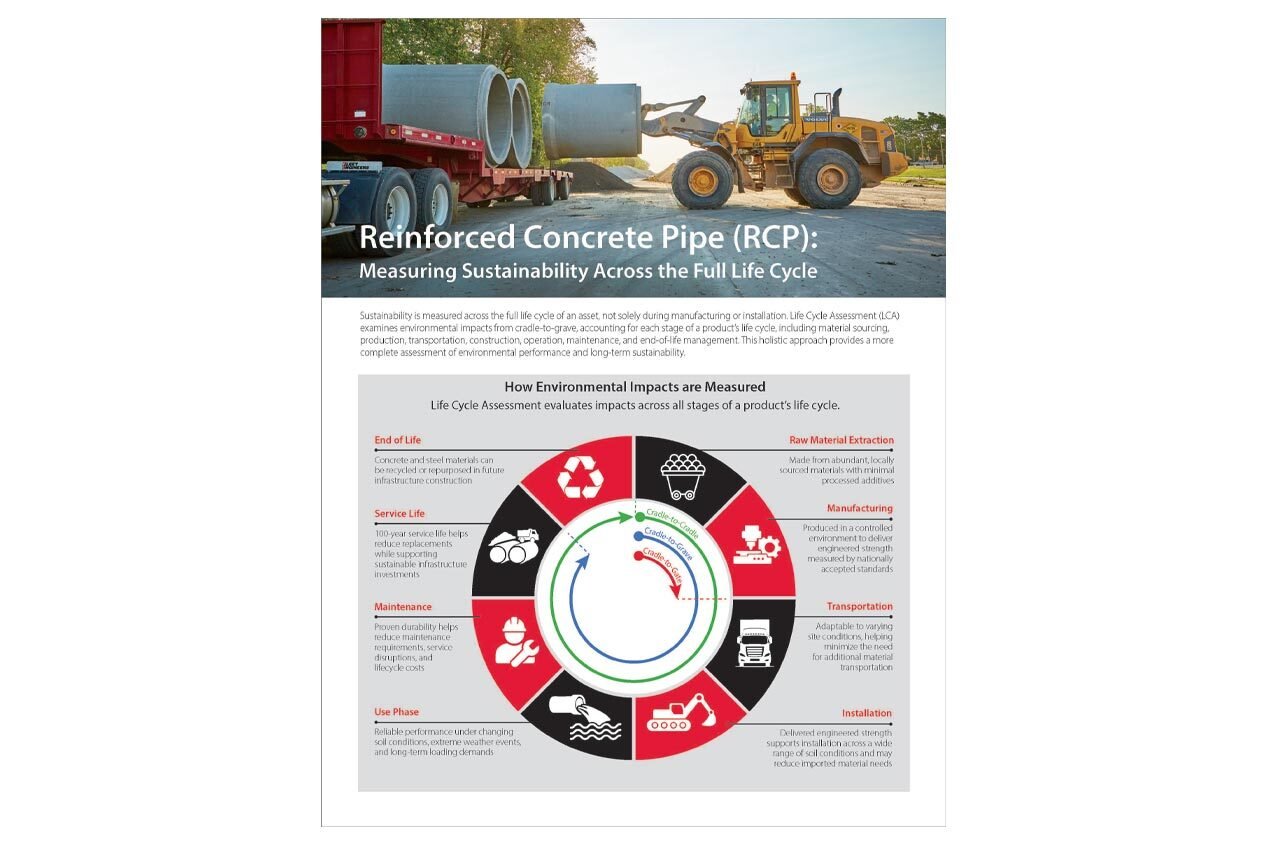
Sustainability should be measured across a pipe's entire lifecycle from raw material extraction to end of service life.
Environmental performance should be evaluated across a product's entire lifecycle, including raw material sourcing, manufacturing, transportation, installation, maintenance, service life, and end-of-life. Reinforced concrete pipe's durability and extended service life can reduce replacement frequency and associated resource consumption. Evaluating infrastructure using life cycle assessment (LCA) provides a more complete picture of long-term environmental performance.
See Details
Fact #13
Sustainability
Reduced replacement cycles and maintenance help conserve resources and extend infrastructure value.
Sustainability extends beyond manufacturing and considers how infrastructure performs over decades of service. Reinforced concrete pipe's long service life and durable performance help reduce replacement cycles, conserve raw materials, and minimize maintenance activities over time. By maximizing infrastructure longevity, reinforced concrete pipe can help lower overall lifecycle impacts while supporting dependable, sustainable drainage systems.
See Details
Fact #14
Sustainability
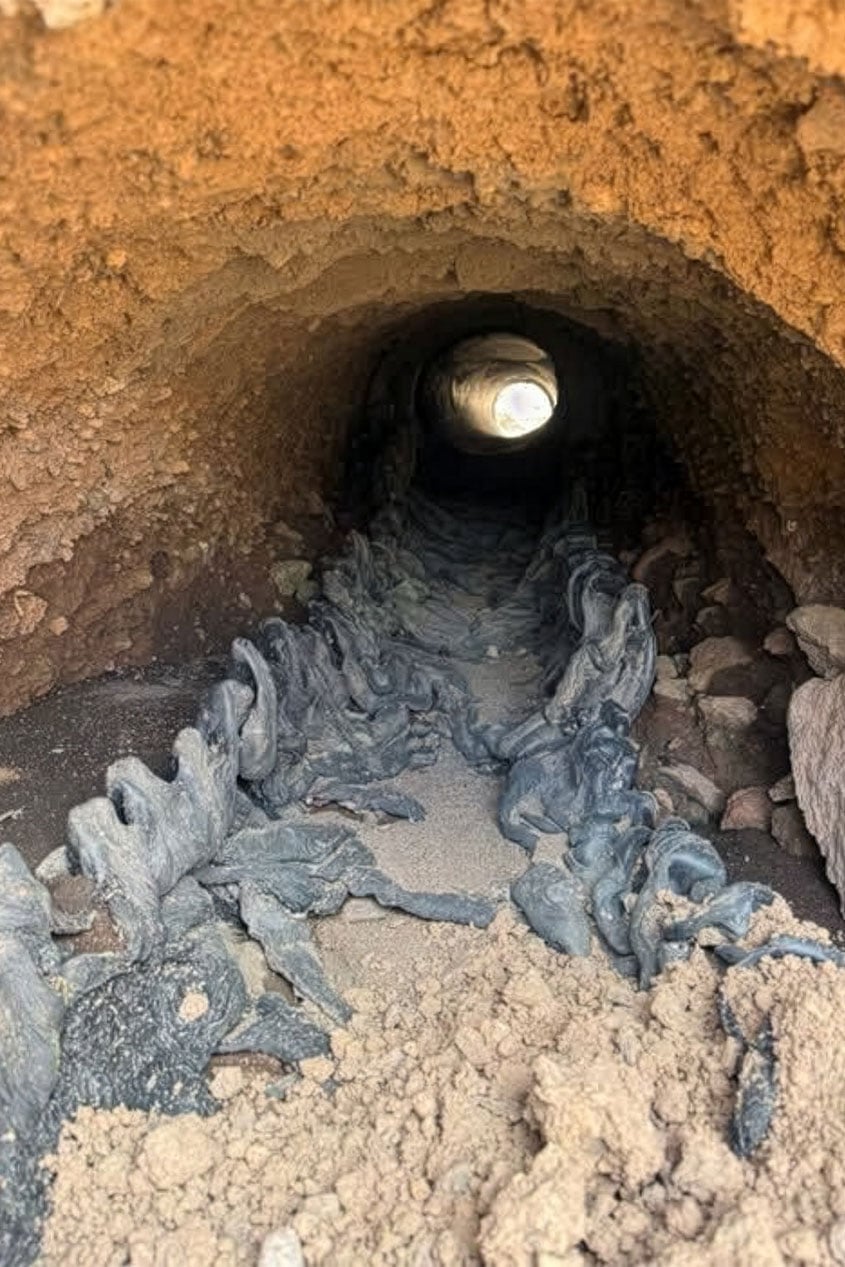
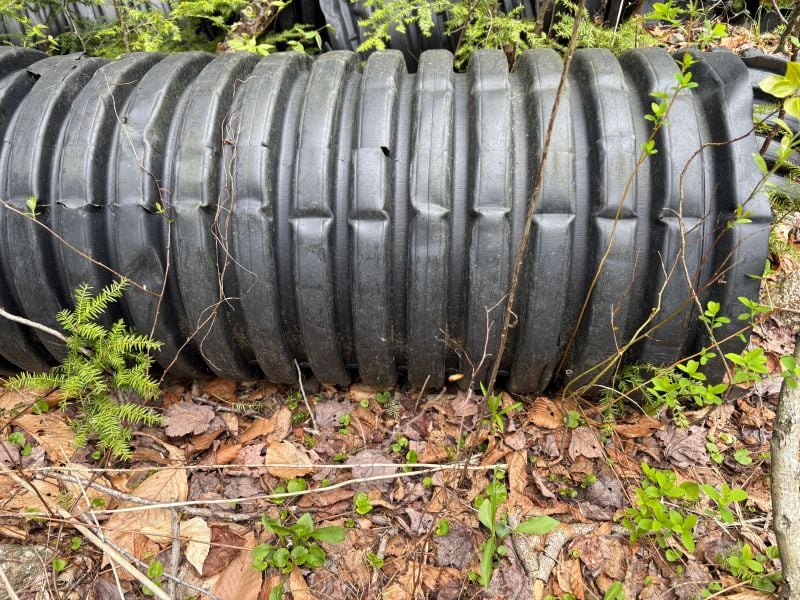
Zero micro-plastics. Noncombustible construction.
Reinforced concrete pipe is manufactured from noncombustible concrete and does not contain plastic materials that contribute to microplastic generation. Concrete does not burn or contribute fuel during fire events, nor does it present concerns associated with combustible plastic materials, plastic additive leaching, or toxic fumes produced by burning plastics. These characteristics support durable, resilient infrastructure in demanding environments.
See Details
Fact #15
Resilience
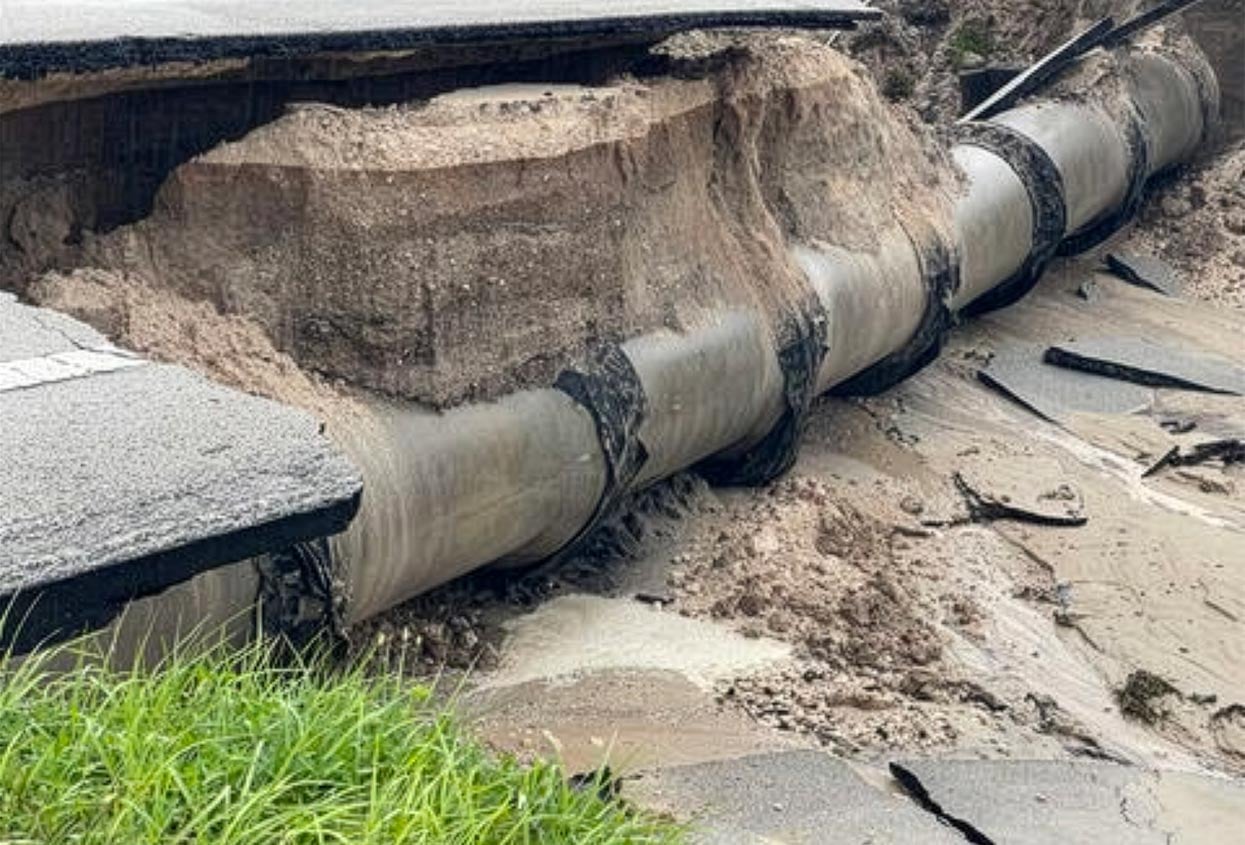
RCP is engineered to perform in floods, hurricanes, fire and other extreme conditions.
Reinforced concrete pipe is engineered to maintain structural performance in demanding environments, including flooding, hurricanes, fire, and challenging underground conditions. Its inherent weight helps resist flotation, while its noncombustible construction and structural strength support dependable operation during extreme events. These characteristics help protect critical transportation and drainage infrastructure when uninterrupted performance matters most.
See Details
Fact #16
Sustainability
Reinforced concrete pipe is trusted for critical transportation and stormwater infrastructure.
Departments of Transportation and public agencies continue to specify reinforced concrete pipe for critical transportation and stormwater infrastructure, particularly in flood- and hurricane-prone regions. Its structural strength, resistance to flotation, noncombustible construction, and long service life help support reliable performance under demanding conditions. These proven characteristics contribute to resilient infrastructure designed to serve communities for decades.
See Details
Fact #17
Resilience
Noncombustible reinforced concrete pipe supports fire-resilient infrastructure.
Fire can threaten transportation corridors, stormwater systems, and emergency evacuation routes when infrastructure is needed most. As an inherently noncombustible material, reinforced concrete pipe does not burn or contribute fuel during fire events. Its structural integrity and fire-resistant properties help support resilient infrastructure designed to protect critical services, maintain drainage system performance, and aid community recovery after emergencies.
See Details
Fact #18
Durability
ASTM and AASHTO standards establish requirements for pipe performance.
Reinforced concrete pipe is manufactured and tested in accordance with ASTM and AASHTO standards that establish requirements for design, materials, manufacturing, inspection, and structural performance. These requirements promote consistent quality and predictable load-carrying capacity, giving engineers a reliable basis for product selection. Standardized testing and acceptance criteria also help support dependable performance and long service life in demanding underground applications.
See Details
Fact #19
Durability
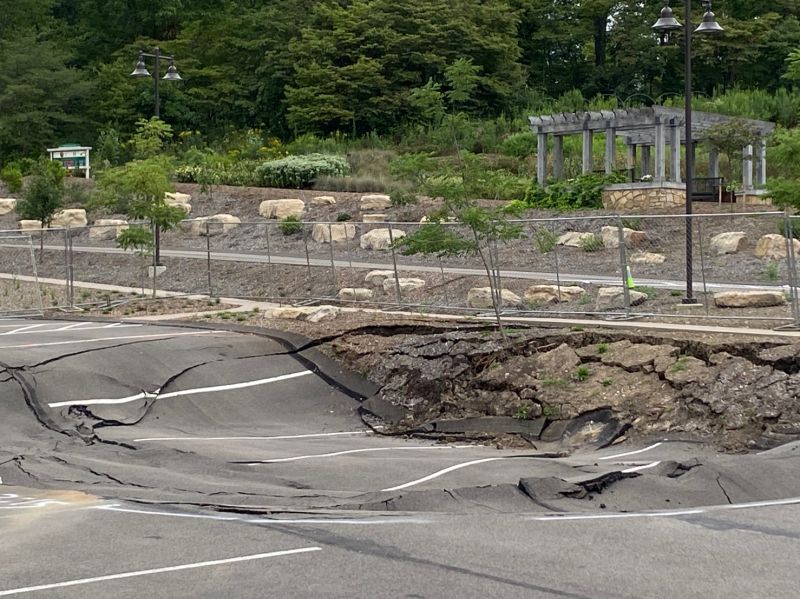
Lowest initial cost does NOT equal the lowest lifecycle cost.
The true cost of infrastructure extends well beyond initial installation. Reinforced concrete pipe's long service life, structural durability, and resilience can help reduce maintenance requirements, replacement frequency, and construction-related disruptions over decades of operation. Considering total lifecycle costs allows owners to make informed investment decisions that maximize long-term value, reliability, and return on infrastructure assets.
See Details
Fact #20
Resilience
Engineered structural strength helps reinforced concrete pipe perform as soil conditions change.
Underground conditions can change over time due to settlement, groundwater, flooding, and seasonal moisture variations. Reinforced concrete pipe carries loads through its own engineered structure, helping resist deformation while maintaining alignment and structural integrity. This inherent strength supports dependable hydraulic performance, reduces the risk of service disruptions, and provides long-term reliability even when surrounding soil conditions are challenging or unpredictable.
See Details
Fact #21
Durability
Reinforced concrete pipe resists corrosion, UV exposure, and fire for long-term durability.
Reinforced concrete pipe is highly resistant to corrosion, ultraviolet (UV) exposure, and combustion, making it well suited for demanding underground infrastructure applications. Its durable construction helps maintain structural integrity when exposed to moisture, aggressive environments, sunlight during storage, and fire-related events. These characteristics contribute to extended service life, reduced maintenance needs, and dependable long-term performance.
See Details
Fact #22
Resilience
Reinforced concrete pipe delivers proven load-bearing performance under heavy traffic and deep cover conditions.
Reinforced concrete pipe is engineered to withstand significant traffic loads and deep burial conditions through its structural design rather than relying solely on surrounding soil. Manufactured to ASTM standards and designed using established engineering practices, it provides proven load-bearing performance, dimensional stability, and long-term reliability. This strength helps protect critical infrastructure in demanding transportation and stormwater applications.
See Details
Fact #23
Durability
Long-term infrastructure value extends beyond installation; it's measured over decades of performance.
Reinforced concrete pipe delivers long-term infrastructure value through durability, structural resilience, and an extended service life. Its ability to withstand demanding underground conditions helps reduce maintenance needs, replacement frequency, and service disruptions over the life of a project. By considering these lifecycle advantages alongside initial costs, infrastructure owners can make informed decisions that support predictable performance and lower long-term ownership costs.
See Details
Fact #24
Resilience
Rigid reinforced concrete pipe resists deformation to maintain structural and hydraulic performance.
Reinforced concrete pipe is engineered as a rigid structure that helps resist deformation, excessive deflection, and flotation under demanding underground conditions. Its ability to maintain shape and structural integrity helps preserve hydraulic capacity, joint alignment, and consistent flow characteristics, even as surrounding conditions change. This inherent rigidity can help minimize performance concerns and support dependable operation throughout the pipe’s long service life.
See Details

Common Myths About Concrete Pipe

Click into each myth to explore the research, references, and expert insights behind the claim.

Myth #1
Durability
"Hairline cracks indicate structural failure."
Fact: Hairline cracks do not indicate pipe failure or reinforcement corrosion. Research and decades of field performance have demonstrated that minor cracks within accepted industry limits do not result in deleterious reinforcement corrosion or compromise long-term durability.
Get the Fact
Myth #2
Sustainability
"The lowest initial cost delivers the best value."
Fact: Initial cost is only part of an infrastructure asset's total cost. Service life, maintenance, repairs, replacement cycles, and resilience to extreme conditions all affect long-term value. RCP's durability and long service life can help reduce lifecycle costs.
Get the Fact
Myth #3
Sustainability
"Plastic is more sustainable."
Fact: Sustainability requires a full lifecycle perspective that considers service life, maintenance, replacement, transportation, and end-of-life impacts. RCP offers a documented service life of up to 100 years, helping reduce the need for replacement and its associated environmental impacts.
Get the Fact
Myth #4
Sustainability
"If it's buried, it's not part of the plastic pollution conversation."
Fact: Being buried does not change a material's composition or lifecycle impacts. Sustainability considerations include material composition, service life, replacement cycles, and end-of-life management. RCP is made from concrete and steel and does not contribute to microplastic pollution.
Get the Fact
Myth #5
Resilience
"Lightweight materials are the smarter choice."
Fact: Weight can be an advantage in demanding conditions. Reinforced concrete pipe's inherent mass helps resist flotation during flooding and supports long-term stability and structural performance as soil and groundwater conditions change.
Get the Fact
Myth #6
Durability
"Plastic pipe is easier to install."
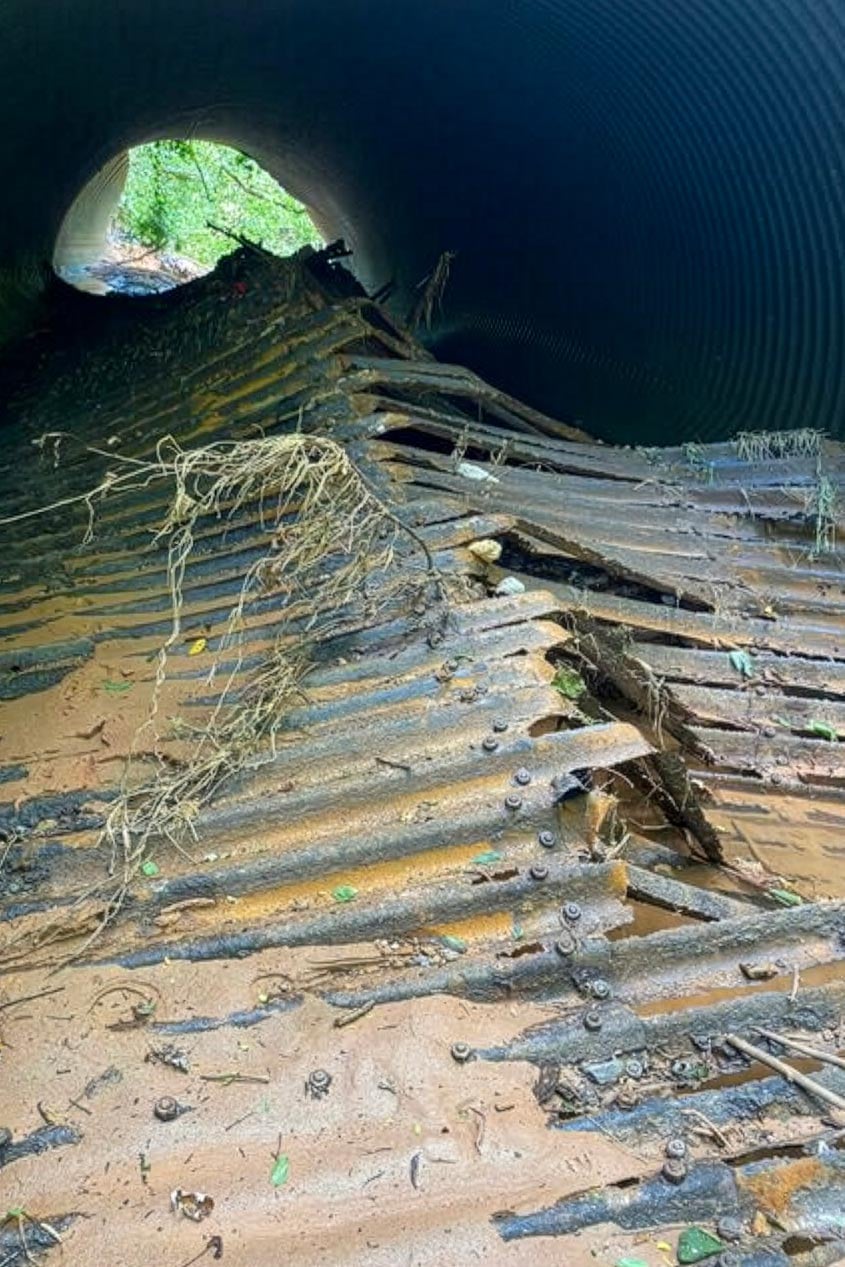
Fact: Flexible pipe relies on proper bedding, trench preparation, backfill placement, and compaction to achieve intended performance. RCP provides structural capacity through the pipe itself, helping reduce reliance on precise soil support and deliver consistent installation results.
Get the Fact
Myth #7
Resilience
"Any visible crack in reinforced concrete pipe means the reinforcing steel will corrode."
Fact: Within acceptable limits, cracking can indicate tensile load transfer to reinforcing steel and does not alone indicate corrosion or structural failure. Concrete protects embedded steel, and corrosion requires moisture, chlorides, and oxygen. In buried precast pipe, these conditions are limited, and small cracks may self-seal.
Get the Fact
Myth #8
Resilience
"Soil conditions don't affect pipe performance."
Fact: Bedding, backfill, compaction, haunch support, and surrounding soil are critical to flexible pipe performance. Soil conditions can change due to settlement, moisture, flooding, and other factors. Reinforced concrete pipe is a rigid structure designed to maintain its shape and structural integrity under a wide range of loading and soil conditions.
Get the Fact
Myth #9
Resilience
"All pipe materials perform the same."
Fact: Pipe materials vary in structural behavior, installation, service life, maintenance, and resilience. Thermoplastic pipe performance depends on bedding, backfill, compaction, and soil support. Reinforced concrete pipe is a rigid structure verified through standardized testing. Material selection should be based on engineering and site requirements.
Get the Fact
Myth #10
Durability
"Pipe selection is just an installation decision."
Fact: Reinforced concrete pipe carries loads through its own structural design, combining concrete's strength with steels tensile capacity. While proper installation is important for every pipe system, pipe materials are not engineered the same way and should not be evaluated as interchangeable solutions.
Get the Fact
RCP-Lifecycle-&-Service-Life

Measuring Sustainability Across the Full Life Cycle

Sustainability is measured across the full life cycle of an asset, not solely during manufacturing or installation. Life Cycle Assessment (LCA) examines environmental impacts from cradle-to-cradle, accounting for each stage of a product’s life cycle, including material sourcing, production, transportation, construction, operation, maintenance, and end-of-life management. This holistic approach provides a more complete assessment of environmental performance and long-term sustainability.

Hear From Our Technical Resource Engineers

Watch short videos featuring technical insights, industry expertise, and real-world considerations for evaluating stormwater infrastructure.

Video Card

Video Card

Video Card

Video Card

Infrastructure Insights Podcast

Hear experienced industry leaders discuss material selection, quality control, service life, lifecycle value, and the factors that influence long-term infrastructure performance.

2026_CMC_Pipe_Plastic_Myths_Campaign_Featured_Image_1

Projects

See how reinforced concrete pipe performs across a variety of stormwater and infrastructure applications.

2026_IndyGo_Blue_Featured_Image_1

One of County Materials' largest projects in the state of Indiana to date, the IndyGo Blue BRT line project represents a two-year construction commitment. Throughout, County Materials kept up with scheduling and delivered quality RCP, precast concrete storm, and sanitary drainage components on time at each stage of the project.

IndyGo Blue

Indianapolis, Indiana

2025_CMC_Adelwood_Del_Webb_Completed_Featured

This project demonstrates how County Materials’ reinforced concrete pipe and precast structures can meet tight schedules while providing long-lasting, low-maintenance infrastructure. Efficient manufacturing, coordinated facilities, and reliable products helped keep construction on track.

Adelwood by Del Webb Completed

Chaska, Minnesota

2025_CMC_Chestnut_Street_Plaza_Completed_Featured

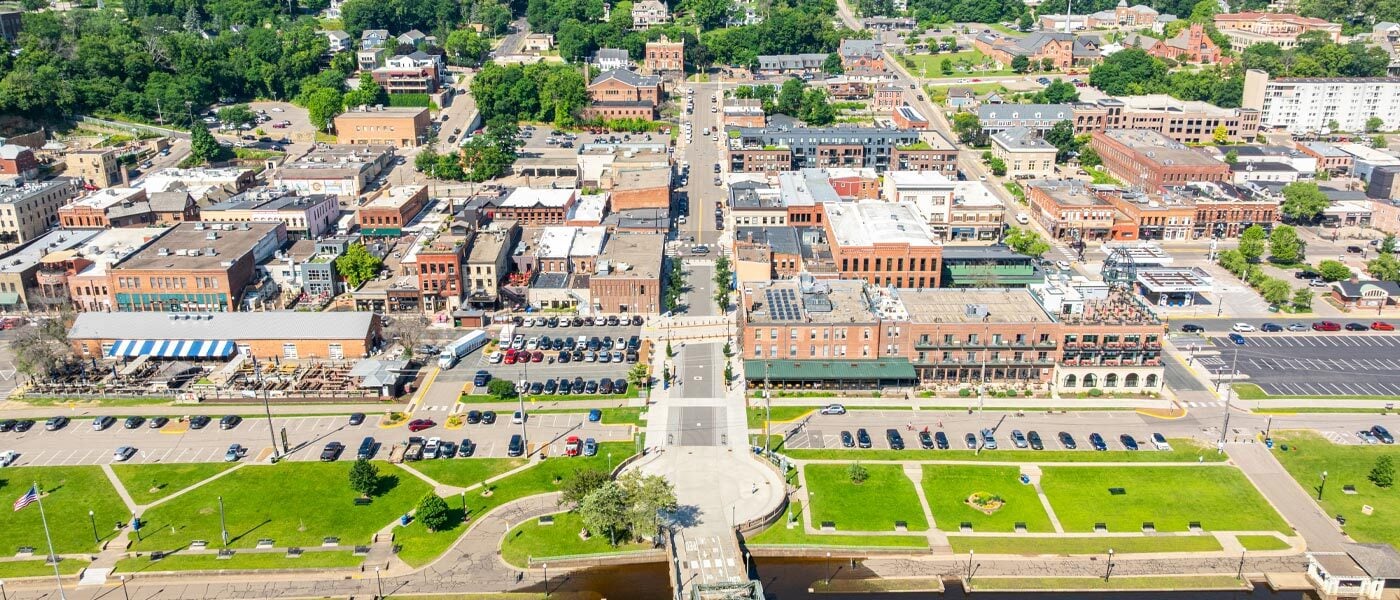
The Chestnut Street Plaza project showcases County Materials’ role in delivering durable stormwater infrastructure for high-traffic urban environments.

Chestnut Street Plaza

Stillwater, Minnesota

2025_CMC_Stillwater_Road_Completed_Featured

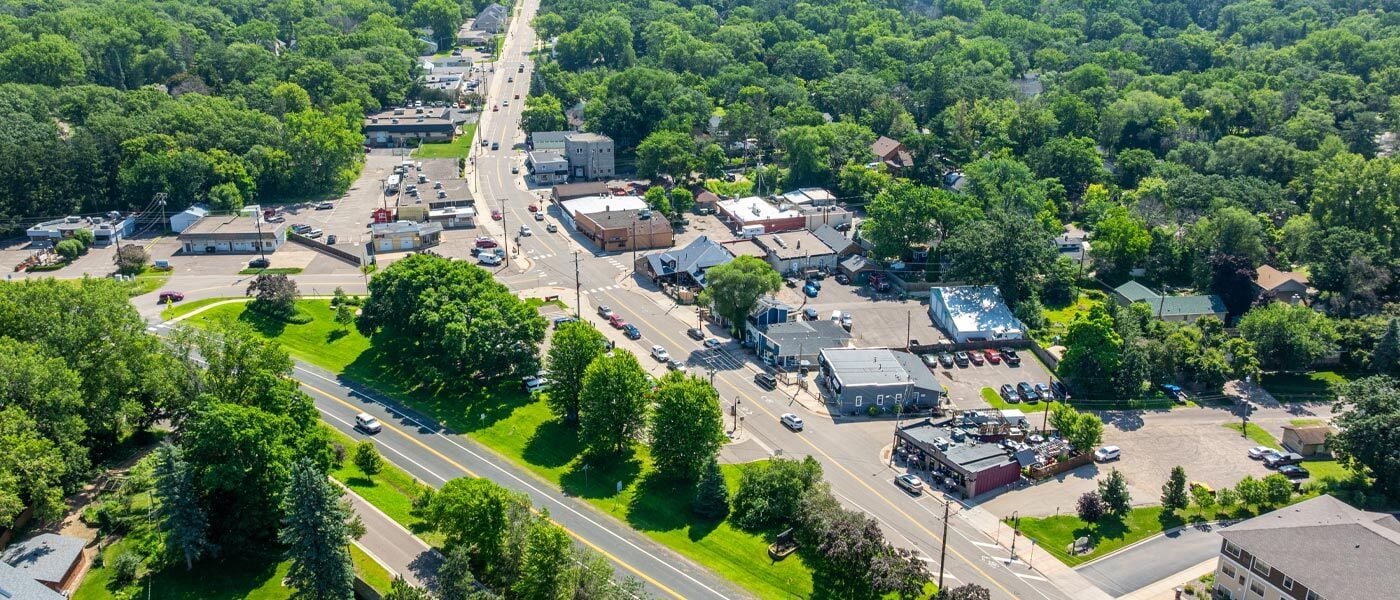
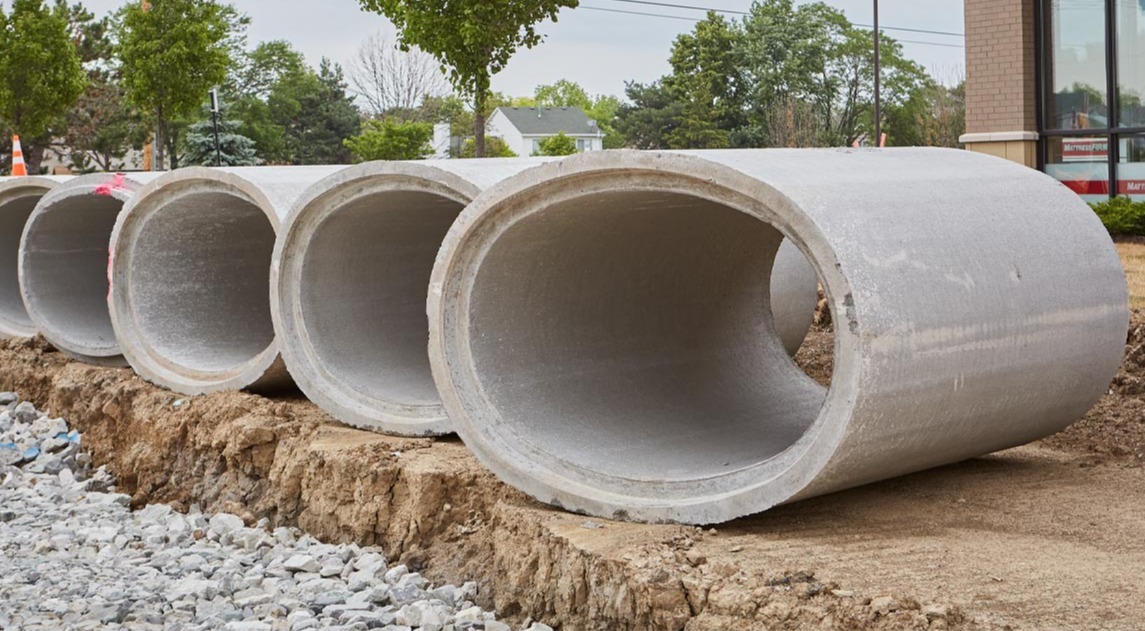
This project showcases how dry-cast production and elliptical and round reinforced concrete pipe can meet tight timelines and overcome excavation limitations while delivering long-term performance.

Stillwater Road

Mahtomedi & Willernie, Minnesota

2025_CMC_Ramsey_County_Ditch_Twin_Lakes_Trail_Completed_Image_Featured

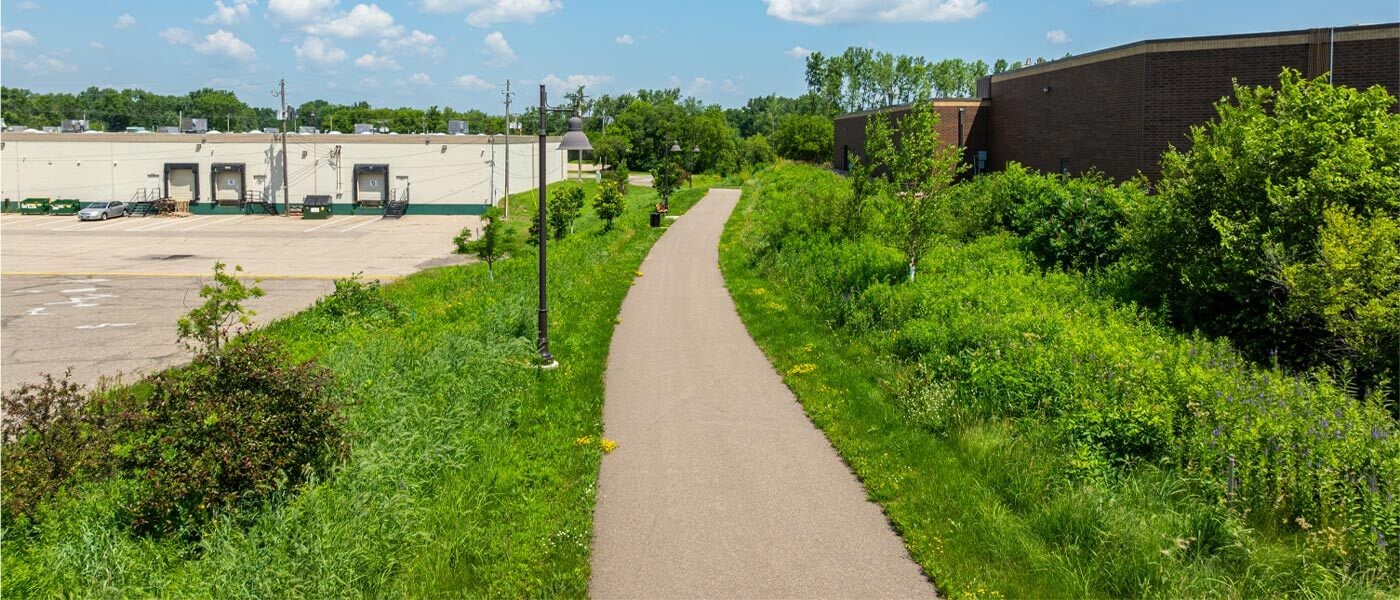
This project showcases the advantages of County Materials’ concrete pipe and precast solutions in urban stormwater infrastructure construction, including efficient installation, structural reliability, and long-term performance.

Ramsey County Twin Lakes Trail

Roseville, Minnesota

2025 CMC RCP Waukesha First Frame

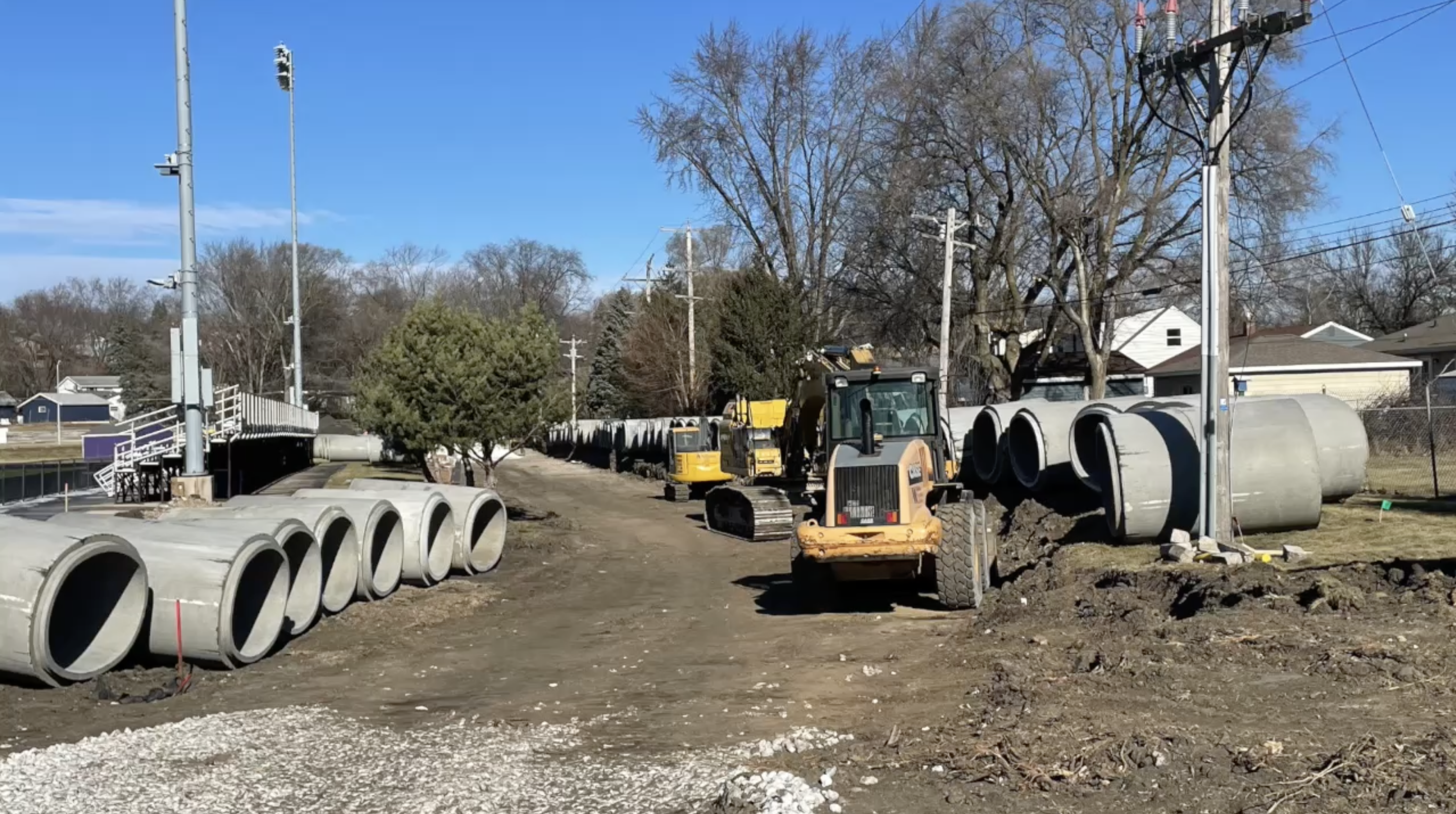
This project demonstrates how large-diameter RCP can manage high flow rates in challenging conditions, supported by timely delivery and precise coordination. County Materials’ experience helped the contractor navigate winter installation and tight site constraints.

Waukesha Area-7

Waukesha, WI

2025-CMC-Elk-River-High-School-Company-News-Thumbnail

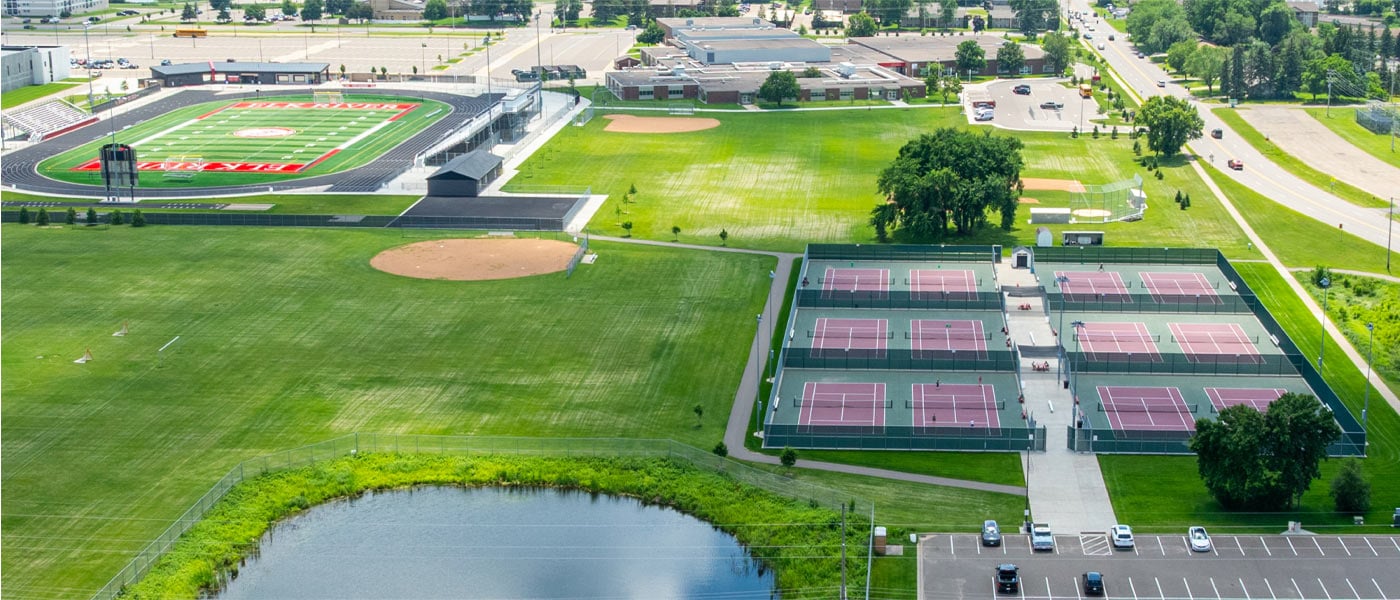
This project showcases how elliptical reinforced concrete pipe can overcome restrictive site conditions while delivering long-term performance. The installation demonstrates the strength and proven reliability of County Materials’ concrete pipe and precast solutions.

Elk River High School

Elk River, Minnesota

2025_CMC_RCP_Milwaukee_County_Zoo_Elephant_Enclosure_Featured_Image

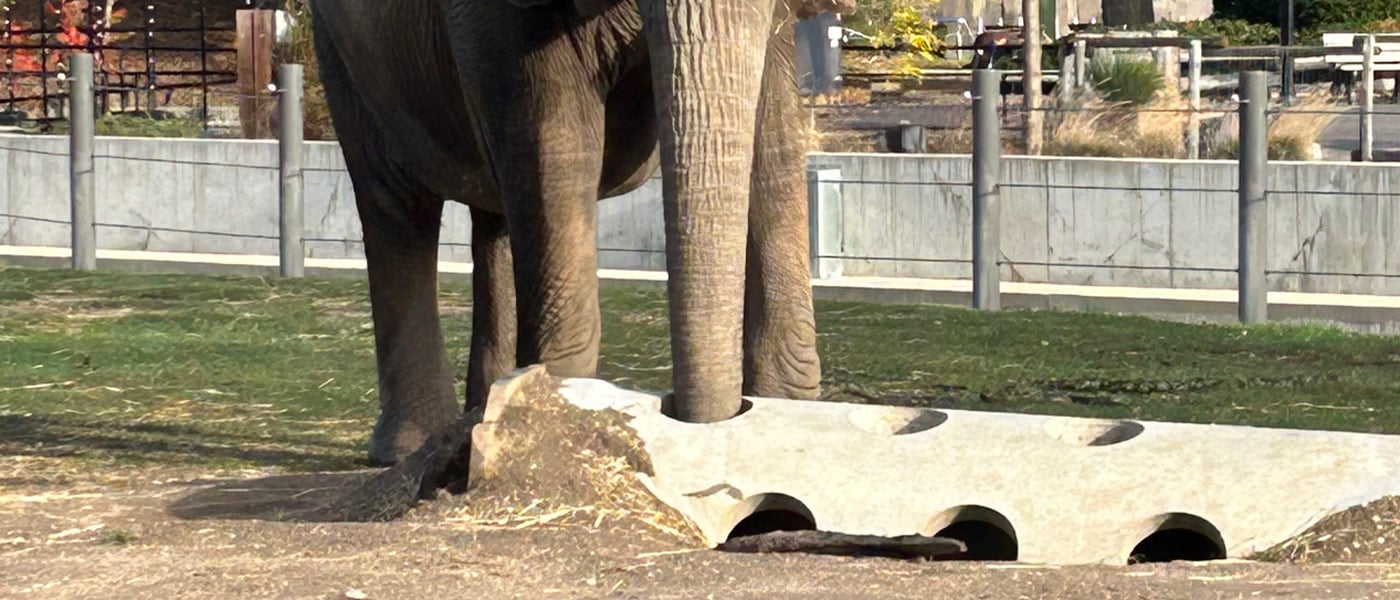
This project illustrates how County Materials’ reinforced concrete products can be customized to meet specialized needs. The elephant feeding stations combine structural durability with innovative design to support animal welfare in a one-of-a-kind application.

Milwaukee County Zoo Elephant Enclosure

Milwaukee, WI

2025-CMC-Copper-Ridge-Housing-Development-Project-Main

This project illustrates how County Materials’ reinforced concrete solutions contribute to successful residential developments. From production to delivery, our team ensured reliable service and quality materials that met the demands of a large-scale project.

Copper Ridge Housing Development

Woodbury, MN

Industry Standards & Supporting Research

Review the industry standards, technical research, and authoritative resources that support the facts, myths, and performance claims presented.

ACPA-Logo

ACPA

The American Concrete Pipe Association is the leading industry resource, voice, and advocate for concrete pipe manufacturers and related stakeholders, promoting durable, resilient infrastructure solutions that support sustainable communities for current and future generations.

Explore Our Products

Latest News in Pipe & Underground Infrastructure

Read More
Concrete Pipe Week 2026

Sep 21, 2026

Celebrating Concrete Pipe Week 2026

Read More
RCP PS IndyGo Blue

Sep 21, 2026

County Materials Helped Indianapolis Overhaul a Downtown Drainage System

Read More
ACPA LinkedIn Post Promotion Article

Sep 18, 2026

Concrete Infrastructure Matters in Wildfire-Prone Areas